What Children's Literature Can Teach Us About Leadership (For Parents and Educators)
Leadership is often associated with boardrooms, corner offices, and people who stand at the front of the room giving directions.
But some of the most meaningful lessons about leadership begin much earlier—in the pages of a children's book. Long before children learn about organizational charts, teamwork, or management, they begin discovering what it means to influence others through the stories they read. They watch characters make difficult choices, solve problems, admit mistakes, stand up for friends, and discover that true leadership isn't about being the loudest voice in the room. It's about kindness, courage, empathy, and service. As both an educator and children's author, I've come to believe that picture books do far more than teach children how to read. They quietly introduce the qualities that shape future leaders, reminding children that even the smallest acts of kindness can create lasting change. In many ways, leadership begins with something much simpler than authority—it begins with learning to care.
Leadership Begins Long Before Children Realize It
When most people hear the word leadership, they picture adults. Yet leadership starts developing in childhood through everyday experiences—sharing toys, helping classmates, comforting a friend, admitting when we've made a mistake, or choosing kindness over convenience. These moments may seem small, but they are the building blocks of emotional intelligence, confidence, and character. Children's literature provides a safe place to explore these ideas long before children encounter them in real life. Through stories, young readers witness challenges without experiencing the consequences themselves. They observe how characters respond to disappointment, conflict, uncertainty, and success, and more importantly, they begin asking themselves an important question: “What would I do?” That simple question encourages reflection, perspective-taking, and decision-making—the very skills that define effective leaders throughout life.
As I continue my doctoral studies in Applied Learning Sciences, I find myself returning to this idea again and again: children learn best when they can connect ideas to meaningful experiences. Stories provide exactly that opportunity. They allow young readers to practice making thoughtful decisions, consider different perspectives, and imagine themselves responding with courage and compassion. These quiet moments of reflection may seem simple, but they are often where the earliest foundations of leadership begin.
The Best Leaders Don't Always Look Like Leaders
One of my favorite things about children's literature is that the hero isn't always the biggest, strongest, or most confident character. Sometimes leadership belongs to the quiet child. Sometimes it belongs to the smallest animal. Sometimes it belongs to the character who simply chooses compassion when no one else does. These stories remind children that leadership isn't about power, popularity, or being in charge. It's about using your unique gifts to make life better for someone else. That message has become central to my own writing because I believe every child deserves to recognize that their voice and their kindness matter.
In Aloe Vera's Special Gift, Aloe doesn't begin the story believing she has anything special to offer. Like many children, she wonders where she belongs and whether her gifts are important. It isn't until she begins helping others that she discovers her true purpose. She never sets out to become a leader. She simply chooses to care. By offering comfort, kindness, and healing, she quietly inspires those around her. To me, that is leadership in its purest form. The best leaders don't seek recognition—they seek opportunities to make a difference.
Stories Give Children the Courage to Lead
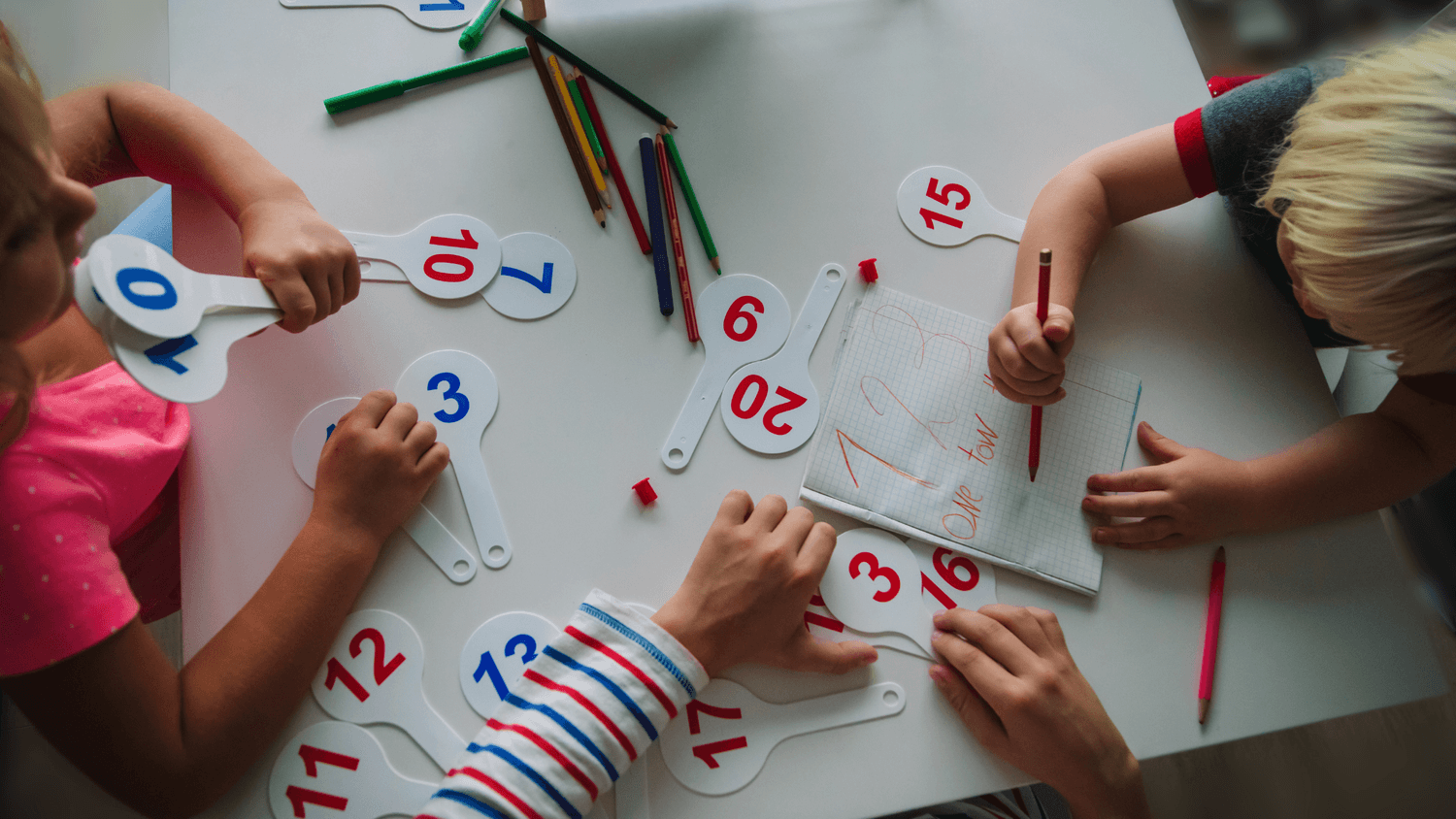
Leadership requires confidence, but confidence doesn't appear overnight. It grows through experience, encouragement, and opportunities to make meaningful choices. Stories allow children to practice those choices in a safe and supportive environment. When they watch a character overcome fear, apologize after making a mistake, or stand up for someone who needs help, they begin building a mental library of possibilities. These fictional experiences become reference points that children often draw upon when faced with similar situations in their own lives.
Research in learning sciences suggests that narratives help us organize experiences, develop empathy, and make meaning of the world around us. Stories allow children to mentally rehearse situations they may not yet have encountered, preparing them to respond thoughtfully when those moments eventually arrive. In many ways, every story becomes practice for life, giving children the confidence to make thoughtful choices long before those choices become real.
Leadership Is Rooted in Empathy
Perhaps the greatest leadership lesson children's literature teaches is empathy. Before children can lead others well, they must first learn to understand others. Books naturally invite this process by allowing young readers to experience the emotions, struggles, and triumphs of characters whose lives may be very different from their own. As children begin recognizing another character's feelings, they also become better at recognizing emotions in classmates, siblings, friends, and eventually colleagues. Empathy strengthens communication, encourages cooperation, and builds trust. These are not simply classroom skills—they are lifelong leadership skills that shape relationships, communities, and future workplaces.
When children understand that everyone has a story, they become more patient, compassionate, and willing to lift others up rather than compete against them. They begin to recognize that leadership isn't about having all the answers. It's about listening well, serving others, and creating opportunities for everyone to succeed.
Practical Ways to Use Stories to Develop Young Leaders
Parents and educators don't need formal leadership lessons to help children develop these important qualities. Often, the most meaningful conversations happen after closing the cover of a favorite book.
Talk About Choices: Ask children why a character made a particular decision and what other choices they might have made. This encourages critical thinking and problem-solving.
Look Beyond the Hero: Discuss characters who helped quietly behind the scenes. Children learn that leadership often happens through service rather than recognition.
Celebrate Kindness: Point out moments when characters encourage, forgive, include, or support others. These actions demonstrate that kindness is a powerful form of leadership.
Encourage Reflection: Ask questions like, “What would you have done?” or “How could you help someone the way this character did?” Reflection helps children transfer lessons from books into everyday life.
Model Leadership at Home and School: Children learn just as much from watching adults as they do from reading stories. Demonstrating respect, empathy, and integrity reinforces the lessons they encounter in books.
As I continue writing children's books, I often think less about creating perfect characters and more about creating meaningful conversations. If a child finishes one of my books asking how they can help someone, be kinder to a friend, or believe a little more in themselves, then the story has done something far greater than entertain. It has planted a seed. Leadership doesn't begin with a title. It begins with a choice—a choice to listen, a choice to care, and a choice to help someone who needs us. Those choices are practiced every day through the stories children read and the adults who read alongside them. Perhaps that's one of the greatest gifts children's literature can offer—not simply teaching children how to read, but quietly teaching them how to lead. Because today's young readers are tomorrow's teachers, neighbors, parents, innovators, and community leaders. And every great leader has a story that helped shape who they became.
Meet Jeanette!

Hi, I’m Jeanette, a children’s author who loves writing stories that inspire kindness, growth, and empathy. My books are all about helping kids understand the importance of resilience, self-care, and the beauty of connecting with others. I write stories that celebrate culture, family, and the special bonds that shape us, and I’m so excited to share these with young readers everywhere.
FREE Book Companion
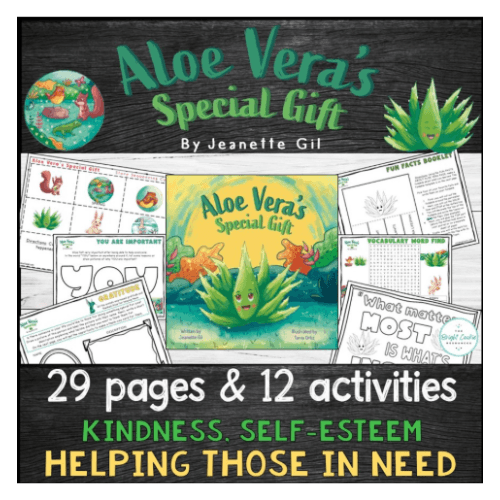
Spark creativity and connection with this fun, lesson plan and book companion!
By signing up, you are agreeing to receive occasional emails from Jeanette Gil with updates, resources, and inspiration. You can unsubscribe at any time. You also agree to our Terms & Conditions and Privacy Policy
SHARE THIS POST
share
YOUR COMMENTS
fresh
OFF THE BLOG

Contact
I love hearing from my readers! Please reach out to info@jeanettegil.com



Subscribe
Subscribe to my mailing list to stay in the loop! Opt-out anytime, hassle-free.
By signing up, you are agreeing to receive occasional emails from Jeanette Gil with updates, resources, and inspiration. You can unsubscribe at any time. You also agree to my website Terms & Conditions and Privacy Policy.
Copyright 2025, Jeanette Gil | All rights reserved